


 0
0 

Diet and Gut Microbiome
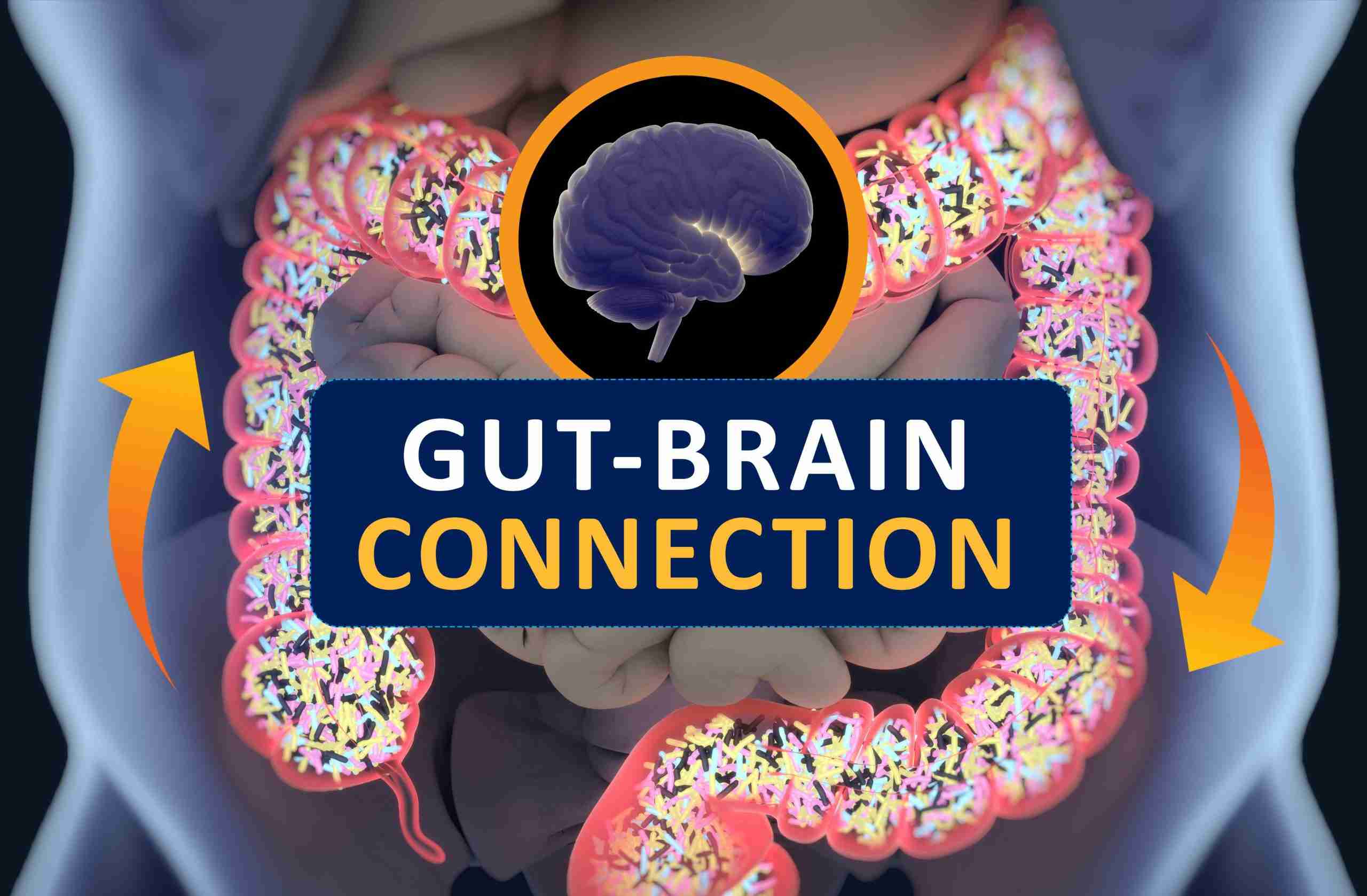
The gut microbiome brain axis is a complex network of interactions between the gut, microbiome, and the brain. One of the factors that can impact this axis is the diet that we consume. Research has shown that the type of food we eat can have significant effects on the gut microbiome and subsequently influence brain function and behavior. In this article, we will explore how the diet affects the gut microbiome brain axis.
The gut microbiome is a diverse community of microorganisms that resides in the human gastrointestinal tract. These microbes play a vital role in the health of the host by aiding in digestion, absorption of nutrients, and protection against harmful pathogens. Recent studies have demonstrated that the gut microbiome can also influence the central nervous system (CNS), including the brain, through the gut-brain axis.
The gut-brain axis is a bidirectional communication system that connects the gut and the brain through multiple pathways, including the nervous system, endocrine system, and immune system. This axis plays a critical role in regulating physiological and psychological functions, including mood, cognition, and behavior.
Research has shown that the gut microbiome can influence the gut-brain axis by producing metabolites, such as short-chain fatty acids (SCFAs), that can interact with the CNS. These metabolites can influence the development and function of neurons, neurotransmitters, and other signaling molecules in the brain. They can also affect the production of hormones, such as serotonin, which plays a crucial role in mood regulation.
The type of diet we consume can have a significant impact on the gut microbiome and subsequently influence the gut-brain axis. For example, a diet high in saturated fats and low in fiber can lead to the overgrowth of harmful bacteria in the gut, resulting in dysbiosis, a condition in which the balance of microbial populations in the gut is disrupted. Dysbiosis has been linked to a wide range of health problems, including inflammation, obesity, and mental health disorders.
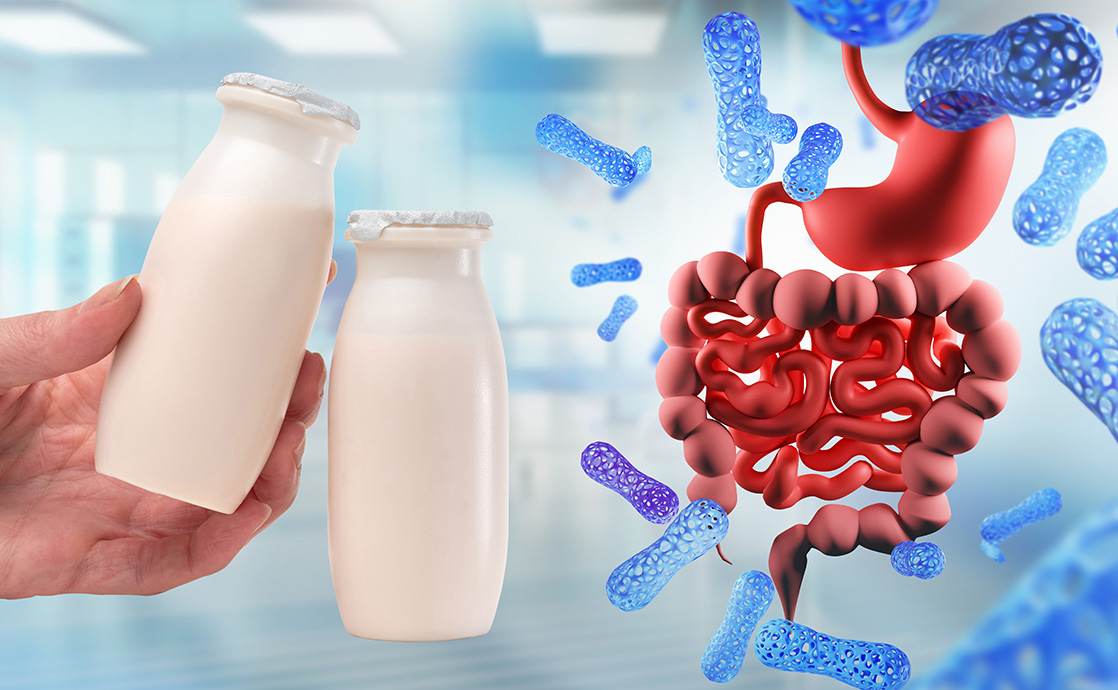
On the other hand, a diet high in fiber and plant-based foods can promote the growth of beneficial bacteria in the gut, which can improve gut health and subsequently influence the gut-brain axis. For example, a diet rich in prebiotic fiber, which can be found in fruits, vegetables, and whole grains, can promote the growth of beneficial bacteria, such as Bifidobacterium and Lactobacillus, which are known to produce SCFAs that can interact with the CNS.
In addition to promoting the growth of beneficial bacteria, a healthy diet can also reduce inflammation in the gut, which has been linked to a wide range of health problems, including depression and anxiety. Research has shown that a diet rich in antioxidants, such as those found in fruits and vegetables, can reduce inflammation and oxidative stress in the body, which can improve gut health and subsequently influence the gut-brain axis.
In conclusion, the gut microbiome brain axis is a complex network of interactions between the gut, microbiome, and the brain. The type of diet we consume can have a significant impact on this axis by influencing the gut microbiome and subsequently affecting brain function and behavior. A diet that is high in fiber and plant-based foods can promote the growth of beneficial bacteria in the gut and reduce inflammation, leading to improved gut health and subsequently influencing the gut-brain axis. By making healthy dietary choices, we can positively impact the gut microbiome brain axis and improve our overall health and well-being.
 DOWNLOAD PDF

Get In Touch With Us
If you have any questions, feedback or inquiries, you can look through our FAQs
or fill in our contact form.