


 0
0 
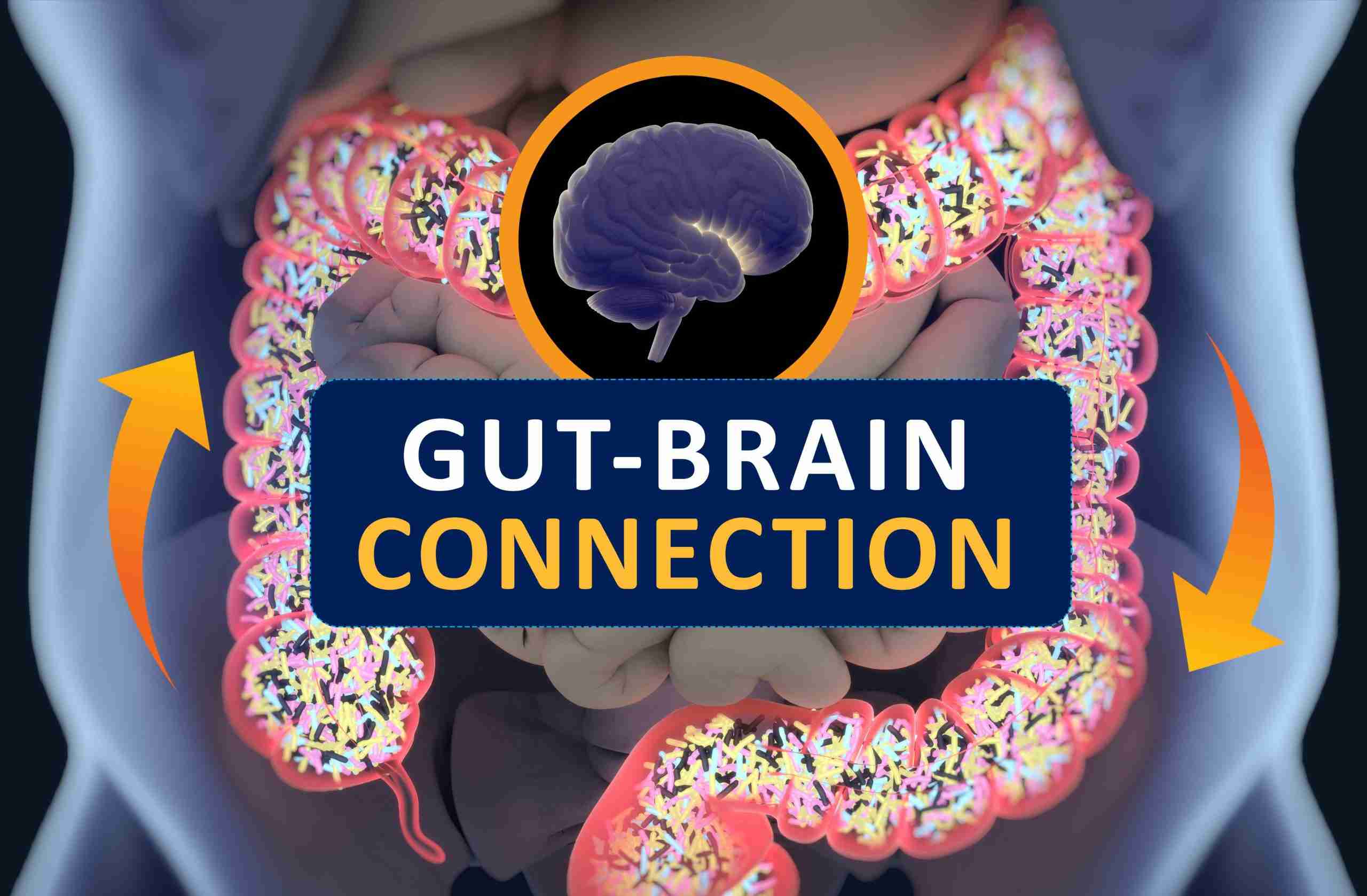
Gut microbiome Brain Axis and Health
The gut microbiome brain axis is a complex network of interactions between the gut, microbiome, and the brain. Research has shown that this axis plays a crucial role in regulating physiological and psychological functions, including mood, cognition, and behavior. Dysregulation of this axis has been linked to a wide range of health problems, including inflammatory bowel disease, obesity, and mental health disorders. In this article, we will explore the gut microbiome brain axis and its relationship to health.
The gut microbiome is a diverse community of microorganisms that reside in the human gastrointestinal tract. These microbes play a vital role in the health of the host by aiding in digestion, absorption of nutrients, and protection against harmful pathogens. Recent studies have demonstrated that the gut microbiome can also influence the central nervous system (CNS), including the brain, through the gut-brain axis.
The gut-brain axis is a bidirectional communication system that connects the gut and the brain through multiple pathways, including the nervous system, endocrine system, and immune system. This axis plays a critical role in regulating physiological and psychological functions, including mood, cognition, and behavior.
Dysregulation of the gut microbiome brain axis has been linked to a wide range of health problems. For example, dysbiosis, a condition in which the balance of microbial populations in the gut is disrupted, has been linked to inflammatory bowel disease, irritable bowel syndrome, and other digestive disorders. Dysbiosis has also been linked to obesity, insulin resistance, and metabolic syndrome, which are risk factors for cardiovascular disease and type 2 diabetes.
In addition to digestive and metabolic disorders, dysregulation of the gut microbiome brain axis has also been linked to mental health disorders, including depression and anxiety. Research has shown that alterations in the gut microbiome can lead to changes in neurotransmitter levels and other signaling molecules in the brain, which can affect mood and behavior.
Fortunately, there are several ways to promote a healthy gut microbiome brain axis and improve overall health. One way is to consume a diet that is high in fiber and plant-based foods, which can promote the growth of beneficial bacteria in the gut and reduce inflammation. Another way is to take probiotics, which are live bacteria that can provide health benefits when consumed in adequate amounts. Probiotics have been shown to improve gut health and reduce symptoms of digestive disorders, including irritable bowel syndrome.
In addition to dietary interventions, stress reduction techniques, such as meditation and yoga, can also help to promote a healthy gut microbiome brain axis. Stress has been shown to disrupt the gut-brain axis, leading to alterations in the gut microbiome and increased inflammation in the body.
In conclusion, the gut microbiome brain axis is a complex network of interactions between the gut, microbiome, and the brain. Dysregulation of this axis has been linked to a wide range of health problems, including digestive disorders, metabolic syndrome, and mental health disorders. By making healthy lifestyle choices, such as consuming a diet that is high in fiber and plant-based foods, taking probiotics, and practicing stress reduction techniques, we can promote a healthy gut microbiome brain axis and improve our overall health and well-being.
 DOWNLOAD PDF



Get In Touch With Us
If you have any questions, feedback or inquiries, you can look through our FAQs
or fill in our contact form.